





Huntingtons Disease
The Huntington’s Disease Society of America (HDSA) is the premier nonprofit organization dedicated to improving the lives of everyone affected by Huntington’s disease. From community services and education to advocacy and research, HDSA is the world’s leader in providing help for today, hope for tomorrow for people with Huntington’s disease and their families. In the battle against Huntington’s disease no one fights alone. At HDSA — family is everything!


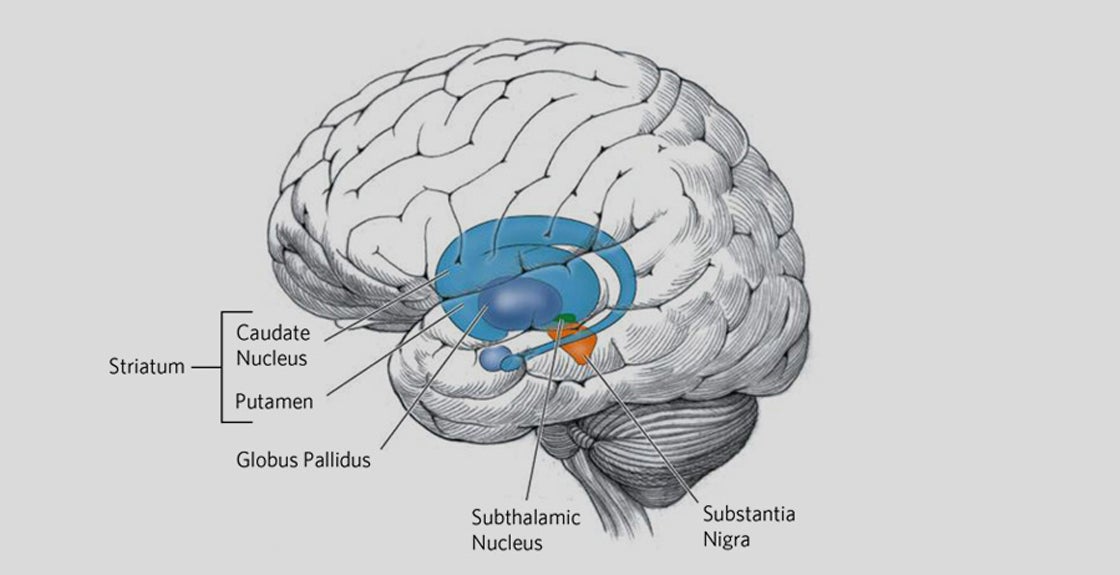
HD affects the whole brain, but certain areas are more vulnerable than others. Pictured above in blue is the striatum – an area deep in the brain that plays a key role in movement, mood, and behavior control. The striatum is the part of the brain that is most affected by HD.
What Is Huntington’s Disease?
Huntington’s disease (HD) is a brain disease that is passed down in families from generation to generation. It is caused by a mistake in the DNA instructions that build our bodies and keep them running. DNA is made up of thousands of genes, and people with HD have a small error in one gene, called huntingtin. Over time this error causes damage to the brain and leads to HD symptoms.
HD causes deterioration in a person’s physical, mental, and emotional abilities, usually during their prime working years, and currently has no cure. Most people start developing symptoms during adulthood, between the ages of 30 to 50, but HD can also occur in children and young adults (known as juvenile HD or JHD). HD is known as a family disease because every child of a parent with HD has a 50/50 chance of inheriting the faulty gene. Today, there are approximately 41,000 symptomatic Americans and more than 200,000 at-risk of inheriting the disease.
Symptoms of Huntington’s Disease
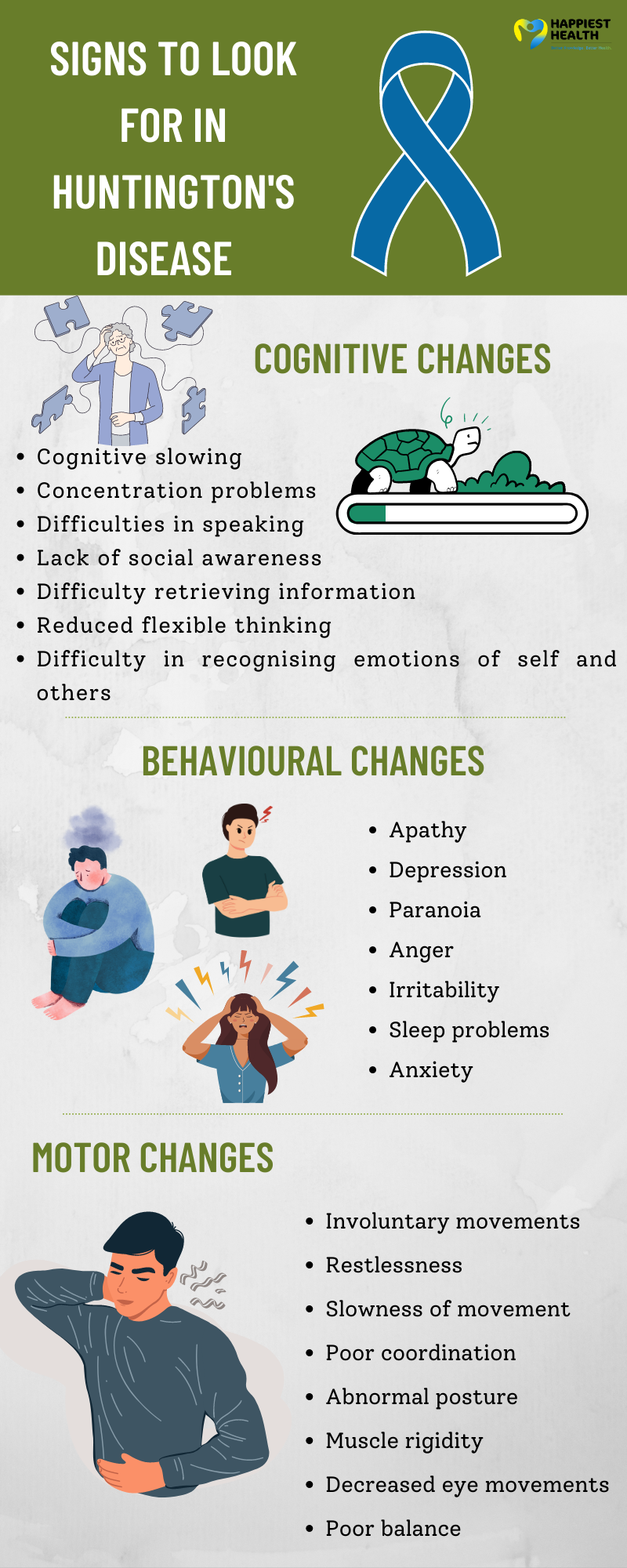
The symptoms of HD can vary a lot from person to person,
but they usually include:
Forgetfulness & impaired judgment
Unsteady gait & involuntary movements (chorea)
Slurred speech, difficulty in swallowing & significant weight lost
Most people with HD experience problems with thinking, behavior, and movements. Symptoms usually worsen over the course of 10 to 25 years and affect the ability to reason, walk, and talk. Early on, a person with HD or their friends and family may notice difficulties with planning, remembering, and staying on task. They may develop mood changes like depression, anxiety, irritability, and anger. Most people with HD become “fidgety” and develop movements of the face and limbs known as chorea, which they are not able to control.
Image Reference:
https://www.happiesthealth.com/articles/neurology/signs-to-look-for-in-huntingtons-disease
Treating Huntington’s Disease
There is currently no cure or treatment which can halt, slow or reverse the progression of the disease. However, there are many treatments and interventions that can help to manage HD symptoms. A neurologist, psychiatrist, or nurse with expertise in HD may prescribe medications to ease anxiety and depression, help with troublesome behaviors, and calm uncontrolled movements. A psychologist or social worker can provide individual or group counseling. Physical and occupational therapists can work with patients and families to develop strength, move safely, and adjust the home environment and activities as needed. Speech language pathologists and nutritionists can help with communication, eating and swallowing safely, and combating weight loss. Clinician researchers may suggest participation in HD clinical trials.
Social and community support is an important part of HD care. Family, friends, loved ones, and companions often assume many of the HD person’s former responsibilities and help with daily activities and care routines when they can no longer do so themselves. Caregivers and kids may also need support for the challenges and stresses that come with HD.

We have our own local HDSA Centers of Excellence right in North Dakota!
Minnesota also has a HDSA Center of Excellence.
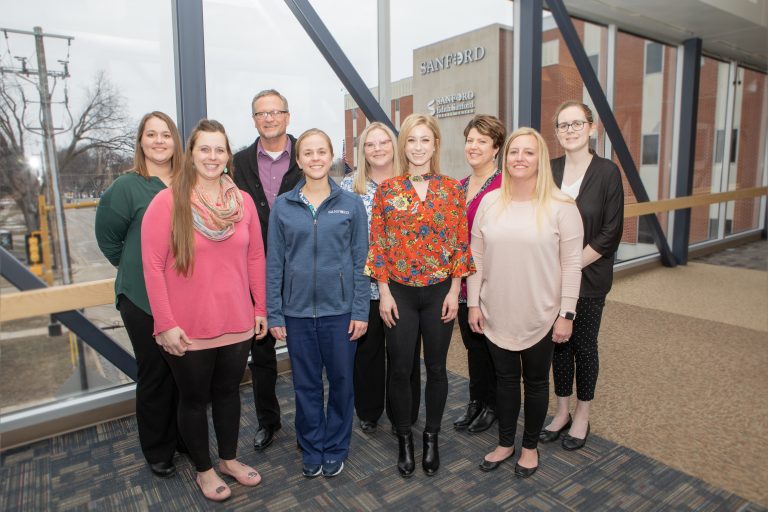
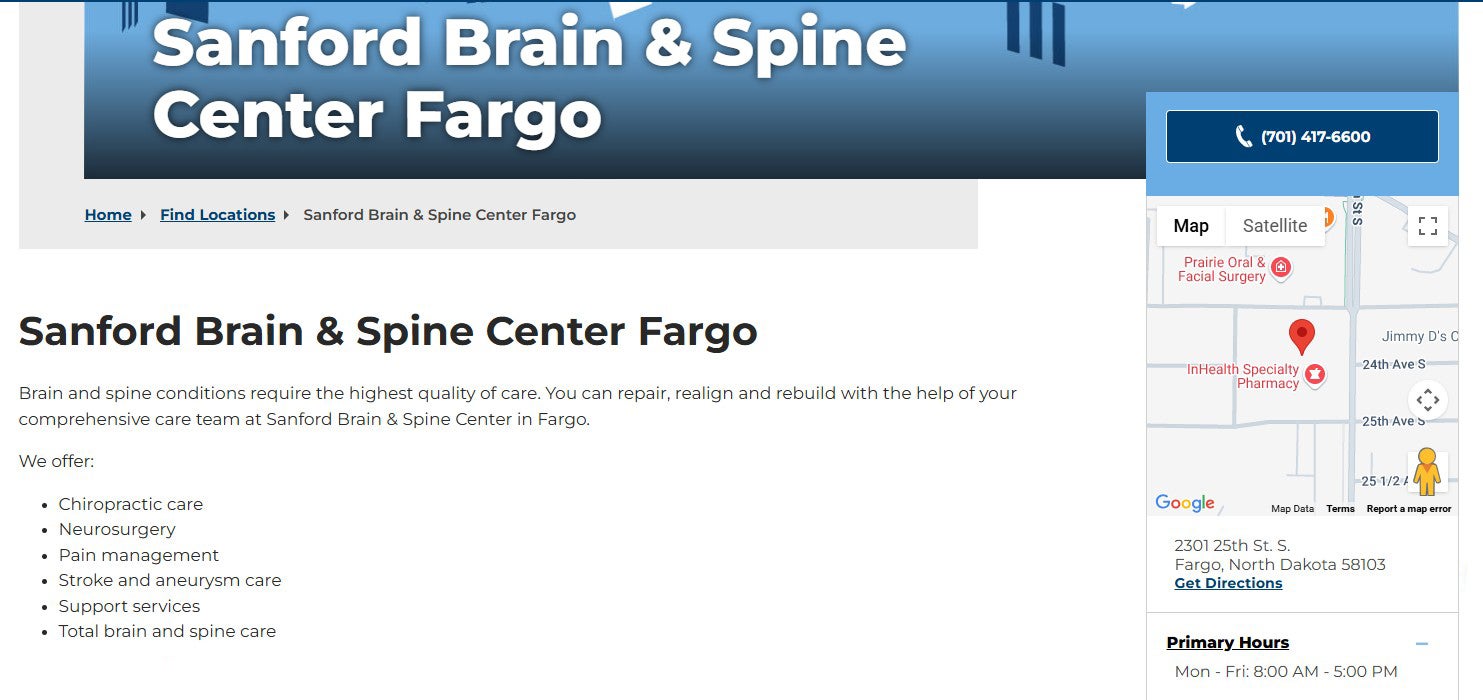
HDSA Center of Excellence at Sanford Health
736 Broadway North
Fargo, ND 58102
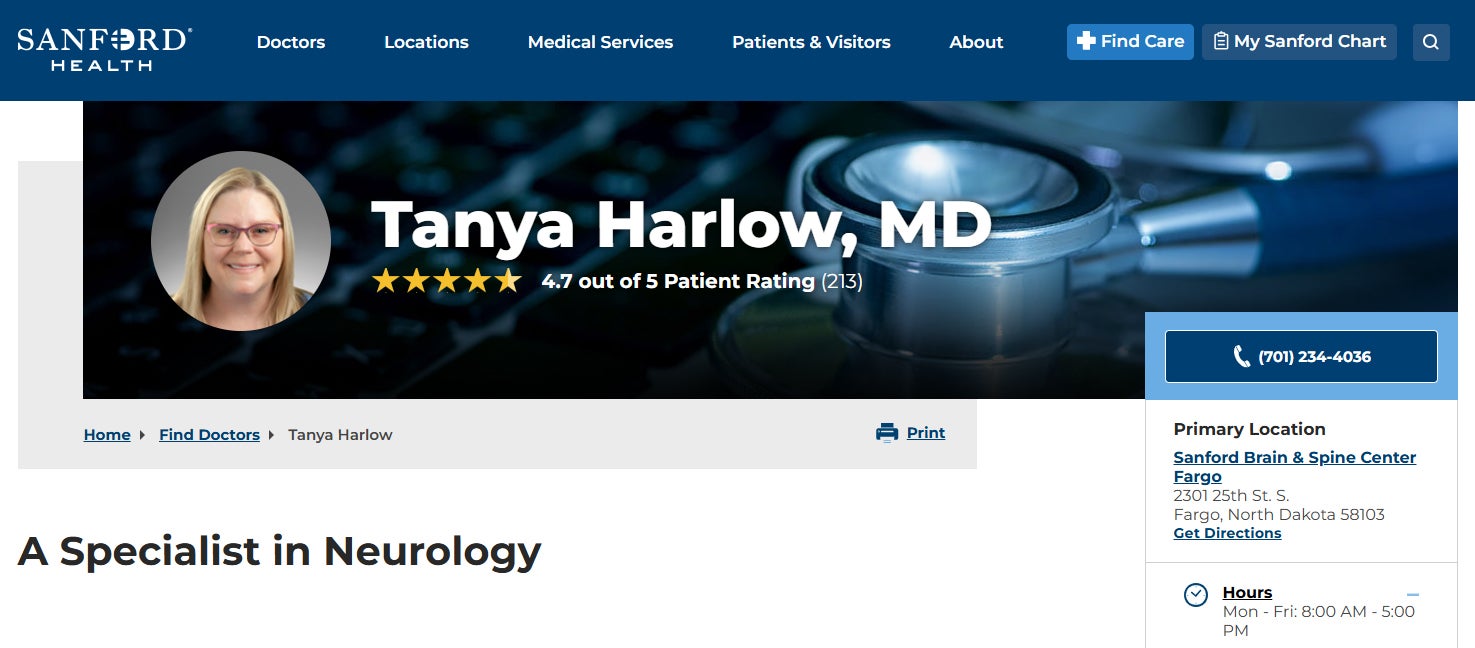
Director: Tanya Harlow, MD
Phone number to make appointments: +1 701-234-6600
Clinic Coordinator: Brooke Campbell, RN
Email: brooke.Campbell@sanfordhealth.org
Phone: +1 701-234-6608
Social Worker: Kimberly Grove, MSW
Email: kimberly.Grove@sanfordhealth.org
Phone: +1 701-234-5690
HDSA Center of Excellence at Hennepin Health Care
715 South 8th Street, A3.301
Minneapolis, MN 55404
Director: Martha Nance, MD
Phone number to make appointments: +1 612-873-6963
Clinic Coordinator: Robert Walker RN
Email: robert.walker@hcmed.org
Phone: +1 612-873-5465
Social Worker: Nina Ross, LISW
Email: nina.ross@hcmed.org
Phone: +1 612-873-3369
Website: https://www.hennepinhealthcare.org/specialty/neurology/huntingtons-disease-clinic/
supports Huntington's Disease!
Every year Wilhelm Chevrolet (Don Wilhelm Inc.) raises awareness for Huntington's Disease in remembrance of Dan Wilhelm, who passed away from Huntington's Disease in 2012, by hosting a Car Show and 5K Run/Walk. We are so thankful to all the businesses and participants that have made our event a big success over the 14 years.
The proceeds from this FUNdraiser go to help fund research for the cure and administrative needs for Huntington’s Disease. Don Wilhelm’s Huntington’s event has exceeded over $250,000 in funds over the past fourteen years.
This event is dear to the Wilhelm family and we appreciate all the help that our community does to support our event.